Efforts for Decarbonization
CO2emissions reduction
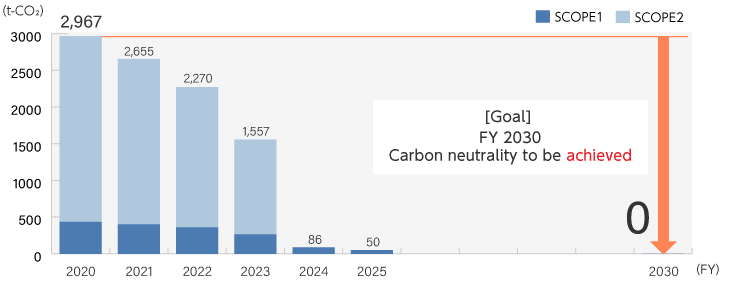
COSEL is working toward its new target of achieving carbon neutrality by FY 2035 by reducing CO2 emissions.
We are actively promoting energy-saving initiatives to reduce electricity consumption, which accounts for a significant portion of our total energy use, by implementing measures such as the introduction of energy-efficient equipment and electricity conservation efforts.
We have continued to maintain zero Scope 2 emissions by switching to electricity derived from renewable energy, introducing off-site PPAs from FY 2024 onward and utilizing non-fossil certificates at our sales offices.
Looking ahead, we will continue to strengthen initiatives to conserve energy and mitigate global warming, including efforts to reduce reliance on fossil fuels.
<Trend in CO2emissions (FY 2026 and after: target values) >
Use of renewable energy
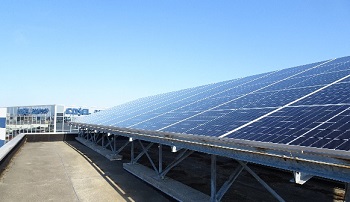
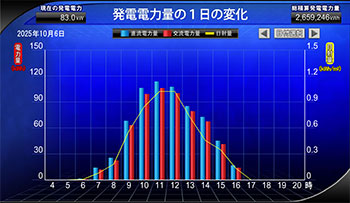
In 2002, we installed 60 kW solar panels on the roof of the head office building, and we have expanded and updated the power generation equipment since then. Currently, we operate solar power generation equipment of 99 kW at the head office factory and 150 kW at the Tateyama factory.
We have also installed internal power generation display monitors.
Development of compact, high-efficiency power supplies
For new products, we conduct an environmental assessment at the development stage from the perspectives of resource conservation, energy conservation, recyclability, toxic substances, packaging, and packing materials. We also promote efforts to develop more environmentally friendly products.
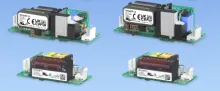
General-Purpose AC-DC Power Supplies PDA300/600 Models (300/600 W)
A perfect fit for customers' equipment!
conservation
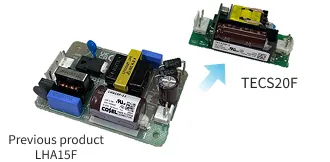
Mounting and I/O compatible with the PBA Series (previous models)
No need to modify housing molds or create new harnesses
*The PDA Series is compatible with the previous PBA Series not only in mounting holes across all power ratings but also in I/O.
High-efficiency design
conservation
Approx. 3% Improvement at rated power
Approx. 14W reduction in no-load standby power
High-Power-Density DC-DC Power Supplies DCS1400 Model (1400 W)
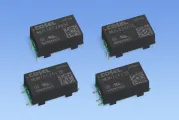
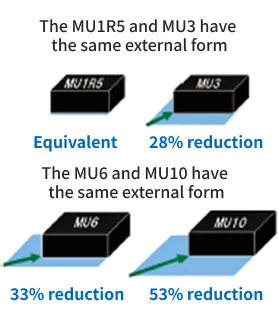
Contributing to more compact customer equipment!
conservation
Twice the power in the same form factor
One unit replaces two!
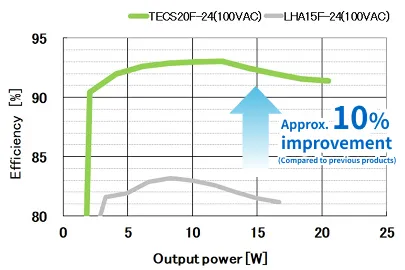
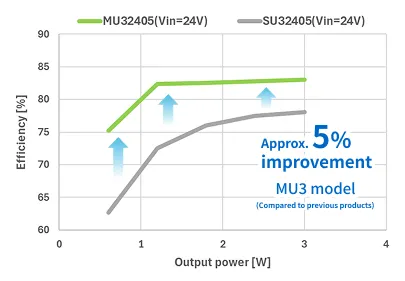
High-efficiency design
conservation
Approx. 5% improvement at 700W
Lessening environmental impact at production sites
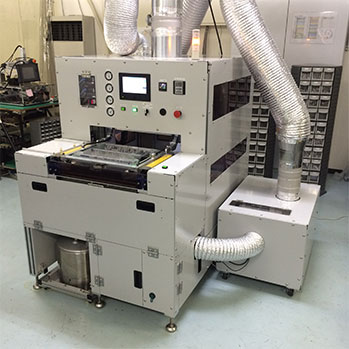
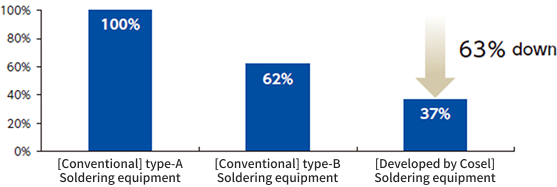
To lower assembly costs by half, we are deploying on our production lines soldering devices that we developed in-house.
Compared with conventional soldering equipment, these devices help to lessen the environmental impact by greatly increasing equipment capacity.
Equipment cost reduction
Down 32%compared to existing equipment
Auxiliary material cost reduction (solder bars, IPA)
Down48%compared to existing equipment
Maintenance work reduction
Down60%compared to existing equipment
Equipment footprint reduction (space saving)
Down25%compared to existing equipment
< Power consumption efficiency compared to conventional tank >
(Comparison to conventional type-A soldering equipment)
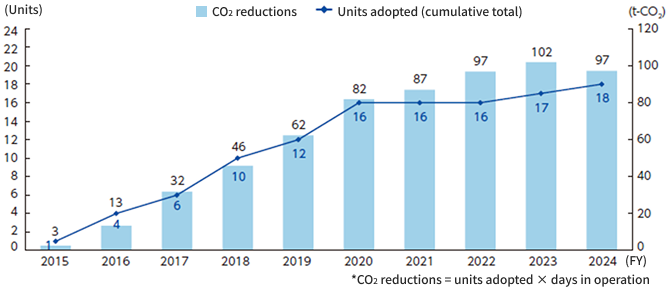
< CO2 Reduction Benefits from the Introduction of In-House Developed Soldering Equipment (Environmentally Friendly Type) >
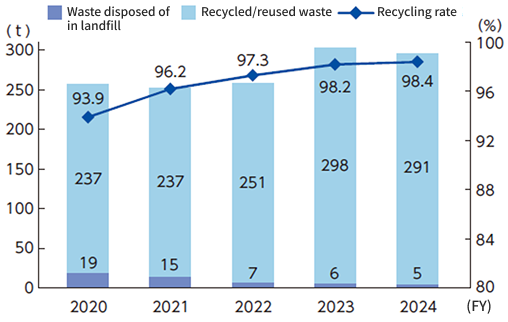
Promoting reductions in waste disposed of in landfills and recycling activities: *1 Toward zero emissions
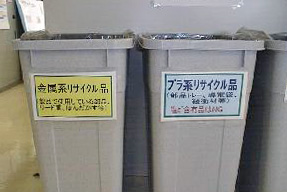
COSEL promotes the Three Rs based on the perspectives of lessening environmental impact and effectible use of resources.
We regularly check the status of waste segregation and strive to raise employees’ awareness.
We will continue our efforts to control the volumes of waste from business activities disposed of in landfills by promoting recycling and thorough waste segregation.
< Trends in waste and recycling rates >
Examples of initiatives
Reduction
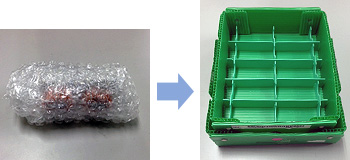
Previously, we had used bubble wrap bags to send certain components to our OEM manufacturers. After unpacking, these were disposed of as industrial waste. We were able to reduce the amount of waste by adopting a new packing method using reusable returnable containers. We also improved the reusability of these containers through means that include the use of rubber bands to keep their lids in place.
Reuse
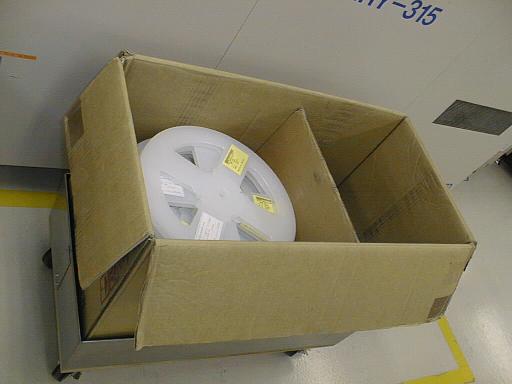
Chip components are delivered wound on plastic reels like tape. Previously, we disposed of the used reels as stable industrial waste.
But since they remain clean and in good shape after use, we now have specialized vendors collect them for reuse.
Recycling
Defective units that could not be shipped as products and substrate scraps cut off in the production process were disposed of as industrial waste. We now separate them into metals, plastics, and other materials before disposal so that they can be recycled as cast ingots or auxiliary combustion materials in furnaces.